


Introduction
The vending business used to be a game of spare change and dusty corners, but that old-school approach is rapidly dying out. Today, if your machine looks like it belongs in the nineties, most customers will just keep walking. People now expect an experience that mimics their smartphones—interactive, fast, and completely cashless. Investing in a modern interface isn’t just a cosmetic choice; it is a strategic move to capture a tech-dependent demographic that ignores traditional hardware. By shifting your operational focus toward digital engagement, you can finally move away from the “bill-and-coin” limitations that cap your earnings. To stay relevant in a competitive retail landscape, the most effective upgrade you can make is integrating a vending machine that’s easy to use.
Does Investing in Interactive Displays Actually Increase Vending Revenue?
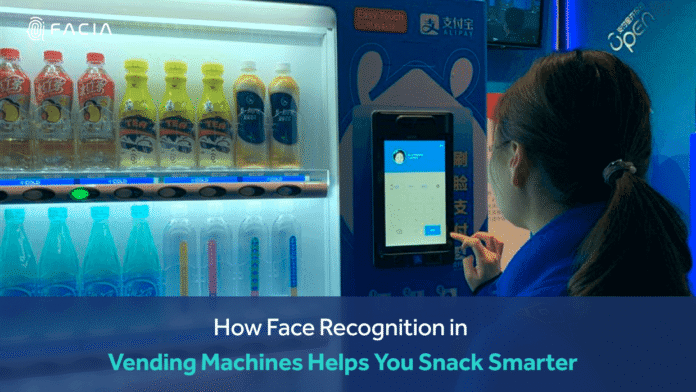
The short answer is a resounding yes, though the “why” goes deeper than just having a bright screen. Digital interfaces in a touch screen vending machine remove the psychological friction of physical cash while allowing for real-time price adjustments and remote monitoring. When users interact with modern vending technology—whether through digital displays, mobile payments, or AI-powered systems—the buying process becomes faster and more transparent. This professional transparency, combined with the ability to accept mobile wallets, typically results in a measurable lift in total transaction volume and much higher overall margins for the operator.
Factors That Affect Profitability in Modern Vending
By breaking down the specific ways these machines function, we can see exactly where the extra profit is generated during the daily grind of fulfillment.
High-Definition Visual Upselling
Static glass hides your potential. Digital displays can promote featured products or combos while the machine sits idle, drawing attention and influencing purchase decisions. This “suggestive selling” mimics a human clerk and pushes your average transaction value higher with zero extra effort.
Frictionless Cashless Payments
Most people today do not carry physical cash. If your machine only takes wrinkled bills, you are losing more than half of your potential walk-up sales. Digital screens make tapping a phone or card completely seamless. I have seen sales volume jump thirty percent overnight just by removing the friction of coins. People spend more when the payment feels instant and digital.
Real-Time Inventory Management
Empty slots are wasted space. Many modern vending platforms connect to cloud dashboards that help operators track sales and inventory remotely. You no longer have to guess what to pack in the truck. This allows your drivers to only visit machines that actually need a refill. You save a fortune on fuel and labor by optimizing your routes based on hard data.
Dynamic Pricing Strategies
In the past, changing a price meant driving to the location and swapping a sticker. Now, you can do it from your laptop in seconds. In some connected vending platforms, operators can update prices remotely instead of visiting the machine. This flexibility ensures you are always capturing the best possible margin based on the current demand at that spot.
Reduced Mechanical Maintenance
Buttons and coin slots are usually the first things to jam or break. Every hour your machine is “Out of Order” is money lost. Modern machines often reduce reliance on physical buttons and coin mechanisms. This decreases certain types of mechanical failures. While a screen costs more upfront, the drop in repair calls and downtime usually pays for the entire upgrade within the first year of the machine being live.
Enhanced User Engagement
Modern buyers love the “retail-tainment” of automated systems. They can scroll through nutritional info or watch a product video before they buy. This builds trust, especially in high-end spots. When a buyer feels confident and engaged, they are much more likely to come back. It turns a one-time convenience stop into a repeat destination for that specific customer’s daily snacks.
Targeted Advertising Revenue
Some modern vending machines with digital displays can also show promotional content while idle. This creates a secondary income stream that has nothing to do with selling chips. In high-traffic spots like airports, this ad revenue can sometimes cover your entire monthly lease. It makes the machine a dual-purpose asset that earns money even when idle.
Remote Diagnostic Capabilities
A smart machine tells you it is broken before a customer does. If the cooling unit fails or a sensor trips, you get an alert on your phone instantly. This prevents you from losing an entire batch of refrigerated goods. It also means your tech shows up with the right parts already in hand. Less downtime equals more profit at the end of the month.
Data-Driven Product Selection
Stop guessing what people want to eat. Your backend software gives you a clear report on what is moving and what is dead weight. If granola bars are flopping at a gym, you will know by Tuesday. You can pull the slow-movers and replace them with winners based on actual numbers. This ensures every square inch of the machine is actually earning.
Improved Site Acquisition
Getting into a luxury hotel or a tech office is hard with an ugly, old machine. Facility managers want equipment that matches their modern decor. A sleek, smart vending machine looks professional and “premium.” This helps you secure the best locations where you can charge higher prices. Better spots lead to more traffic and a much faster return on your initial hardware investment.
Reduced Vandalism and Theft
Old-school machines with visible coin boxes are magnets for thieves. Since most transactions are cashless, there is far less incentive for someone to break into the machine. Protecting your hardware from damage and your cash from theft is a massive, often overlooked, boost to your margins.
Integrated Loyalty Programs
Screens allow you to collect phone numbers or emails for loyalty rewards. You can offer a “Buy 10, Get 1 Free” deal that keeps people coming back to your specific machine. This level of customer retention is impossible with a standard mechanical unit. By building a digital relationship with your users, you create a stable, predictable revenue stream that grows over time.
Conclusion
Deciding to upgrade your vending setup is a strategic move, not just a cosmetic one. Consumers are moving away from physical currency faster than most operators realize, and they expect their shopping experiences to be fast, transparent, and digital. By choosing to invest in a vending machine that’s smart, you get the data and the control needed to actually scale your business across multiple locations. Reducing your manual labor costs while increasing the average spend per customer is the only real way to survive in this industry long-term. A fancy screen might look like a luxury, but the operational savings and the boost in sales volume tell a different story. At the end of the day, modern hardware is your most reliable tool for growth.