

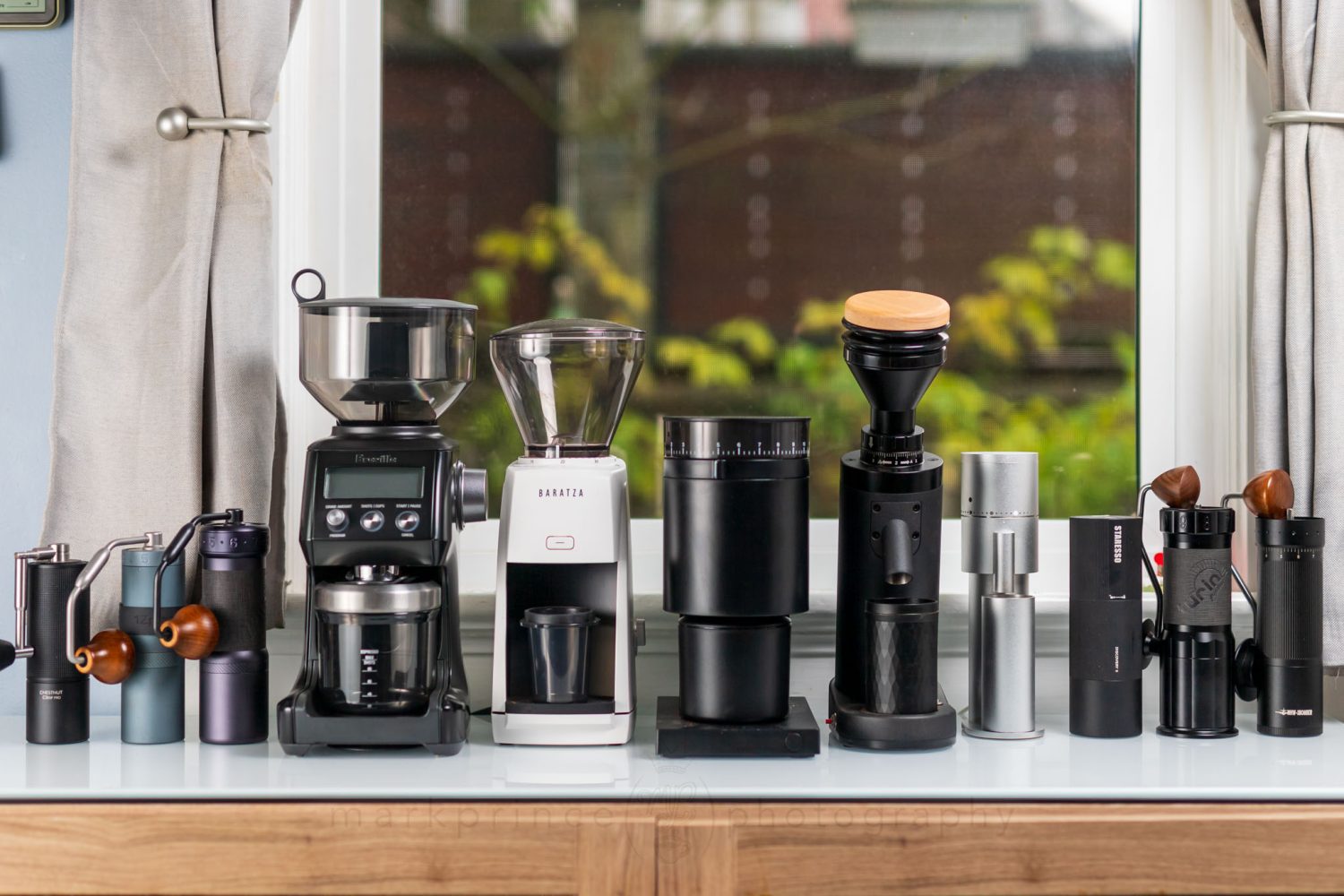

Home brewing transforms from ordinary to extraordinary when you unlock what your grinder can truly do. In my 15 years advising coffee businesses and enthusiasts across the UK, I’ve noticed that most home brewers barely scratch the surface of their equipment’s potential. The reality is, even entry-level grinders deliver café-quality results if you know the right hacks. Here’s what I’ve learned works in practice, not just theory.
Hack Your Grind Settings for Each Brew Method
Most people set their grinder once and leave it there—big mistake. What I’ve seen time and again is that switching between methods without adjusting settings ruins your coffee. Espresso demands ultra-fine grounds, almost powder-like, while French press needs coarse chunks. I once coached a friend who struggled with weak pour-over coffee; turns out, he’d been using an espresso grind. From a practical standpoint, keep a simple chart near your grinder—espresso at setting 2, V60 at 6, French press at 9. The best coffee grinders let you dial in precisely, but only if you actually use that flexibility. In my experience, this one habit improves taste quality by 20–30% immediately.
Master the Dose-to-Yield Ratio
Look, the bottom line is, most home brewers eyeball their coffee and wonder why consistency is poor. I learned this the hard way running pop-up events—guessing doses means guessing results. Invest in a basic kitchen scale and weigh your beans before grinding. For espresso, I typically use 18 grams in, aiming for 36 grams out; for filter, a 1:15 coffee-to-water ratio works brilliantly. The best coffee grinders pair with scales to give you repeatable, café-standard shots at home. Track your doses in a notebook or phone app for a week, and you’ll discover your sweet spots fast. This isn’t obsessive—it’s smart brewing that respects the beans you’ve paid for.
Use the Rice Trick for Deep Cleaning
Everyone talks about grinder cleaning tablets, but honestly, uncooked white rice does the job for a fraction of the cost. I’ve used this hack for years: pour a quarter cup of rice into your hopper, grind it thoroughly, then discard. The rice absorbs oils and dislodges trapped grounds, leaving your burrs cleaner. MBA programmes would call this “cost-effective optimization,” but I just call it common sense. After the rice, run a small batch of your regular beans through to season the burrs again. Do this monthly, and you’ll notice fresher flavours and smoother grinding. Just avoid this trick with high-end single-dose grinders that might struggle with hard grains—check your manual first.
Dial In Using the “Pull and Taste” Method
Here’s what works when you’re setting up a new bag of beans: pull a shot or brew a cup, taste it, then adjust. Too sour? Grind finer or extend brew time. Too bitter? Coarser grind or shorter extraction. I’ve spent years refining this iterative approach, and it never fails. The data tells us that extraction sweet spots vary by roast, origin, and even humidity. Back in 2020, I dialed in a Colombian light roast at home—took four attempts, but the fifth shot was sublime. The best coffee grinders reward experimentation, so don’t be afraid to waste a bit of coffee learning. Keep notes on what worked; next time that roaster’s beans come around, you’ll nail it first try.
Reduce Static and Retention with the RDT Hack
Static cling drives everyone mad—grinds stick to the chute, your portafilter, everywhere. The Ross Droplet Technique (RDT) fixes this instantly: before grinding, add a single drop of water to your beans in the hopper or weigh cup, then swirl gently. The moisture eliminates static without making grounds soggy. I once worked with a client who lost 2–3 grams per dose to retention and static; RDT cut that to under half a gram. It sounds trivial, but over a year, you’re saving serious money and getting more consistent pours. Just don’t overdo the water—one drop is plenty, or you risk clumping. Even the best coffee grinders benefit from this zero-cost tweak.
Conclusion
Home brewing hacks aren’t about expensive upgrades—they’re about using your grinder smarter. From a practical standpoint, small adjustments to grind settings, dose discipline, cleaning routines, and static management unlock flavours you never knew existed. What I’ve learned is, the gap between mediocre and exceptional home coffee is technique, not gear. Apply these hacks consistently, and your best coffee grinders will reward you with café-level results every single time.
FAQs
How often should I clean my home coffee grinder?
Brush out loose grounds daily, and do a deep clean with rice or tablets monthly. Regular cleaning prevents stale flavours and keeps your grinder performing at its best for years.
Can I really use rice to clean my grinder?
Yes. Uncooked white rice absorbs oils and removes residue effectively. Grind a quarter cup, discard, then run fresh beans through to re-season. It’s a cost-effective hack that works brilliantly.
What’s the best grind setting for pour-over coffee?
Medium-coarse works for most pour-overs, but experiment. Start at your grinder’s midpoint, taste, then adjust finer if sour or coarser if bitter. Each bean and roast behaves differently.
Why does my coffee taste inconsistent at home?
Likely you’re not weighing your doses or adjusting grind settings. Invest in a scale, track your ratios, and dial in your grinder for each brew method to achieve repeatable results.
What is the Ross Droplet Technique?
RDT involves adding one drop of water to beans before grinding. It eliminates static cling and reduces retention, giving you cleaner pours and less waste. It’s simple and remarkably effective.
Should I adjust my grinder for different bean origins?
Absolutely. Beans vary in density, moisture, and roast level, all affecting extraction. Re-dial your grinder whenever you switch beans to maintain optimal flavour and consistency.
How do I know if my grinder’s burrs need replacing?
If grinding slows, becomes noisy, or produces uneven particle sizes, burrs may be worn. Home grinders typically need burr replacement every 3–5 years depending on usage.
Can I use my coffee grinder for spices?
Technically yes, but oils from spices will taint your coffee. If you grind spices, clean thoroughly with rice immediately after. Better yet, keep a separate grinder for spices.
What’s the ideal dose for espresso at home?
Start with 18 grams in, aiming for 36 grams out in 25–30 seconds. Adjust based on taste. This 1:2 ratio is a solid baseline that works across most beans and machines.
Do expensive grinders make better coffee?
Quality matters, but technique matters more. Even budget burr grinders produce excellent results if you dial in properly, clean regularly, and weigh your doses. Skill beats gear every time.